Have you noticed that you can be surrounded by people — family, coworkers, students, neighbors — and still feel profoundly alone? You're not imagining it, and you're not unusual. Loneliness has become one of the most widespread and least talked-about forms of suffering in modern life.
In 2023, the U.S. Surgeon General issued a formal advisory declaring loneliness a public health epidemic. Not a personal failing. Not a character flaw. An epidemic — like a disease spreading quietly through the population. Research shows that chronic loneliness carries health risks comparable to smoking fifteen cigarettes a day.
You Don't Have to Be Isolated to Feel Lonely
Loneliness isn't simply about being alone. It's about feeling unseen, unheard, or disconnected — even in a crowded room. A teacher can feel profoundly lonely in a school full of colleagues and students. Parents can feel invisible inside their own families. Someone scrolling through hundreds of social media connections can feel that no one truly knows them.
The modern world has made this worse in specific ways. People communicate more than ever — texts, emails, posts, notifications — and connect deeply far less. Many have lost the unhurried, unscheduled time with other people that genuine closeness requires.
Why Loneliness Hits So Hard
As I've previously described, we all have reservoirs of feelings in our mind: reservoirs of anger, sadness, and anxiety, that originated and enlarged as we grew and developed.
To review: All small children have traumatic experiences because everything is so new to them that they're easily overwhelmed. When they have a stronger reaction than they can bear, the excess feeling is split off and doesn't enter their awareness. It goes into a reservoir, and remains there, out of awareness. Loneliness causes a feeling of sadness that, in children, is so intense that the unbearable portion goes into a reservoir of depression.
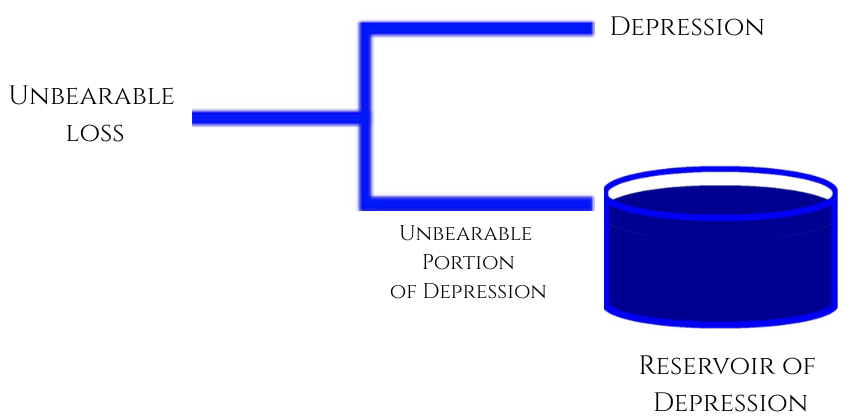
As an adult, the sadness caused by loneliness evokes a contribution from your reservoir of depression, augmenting the feeling.
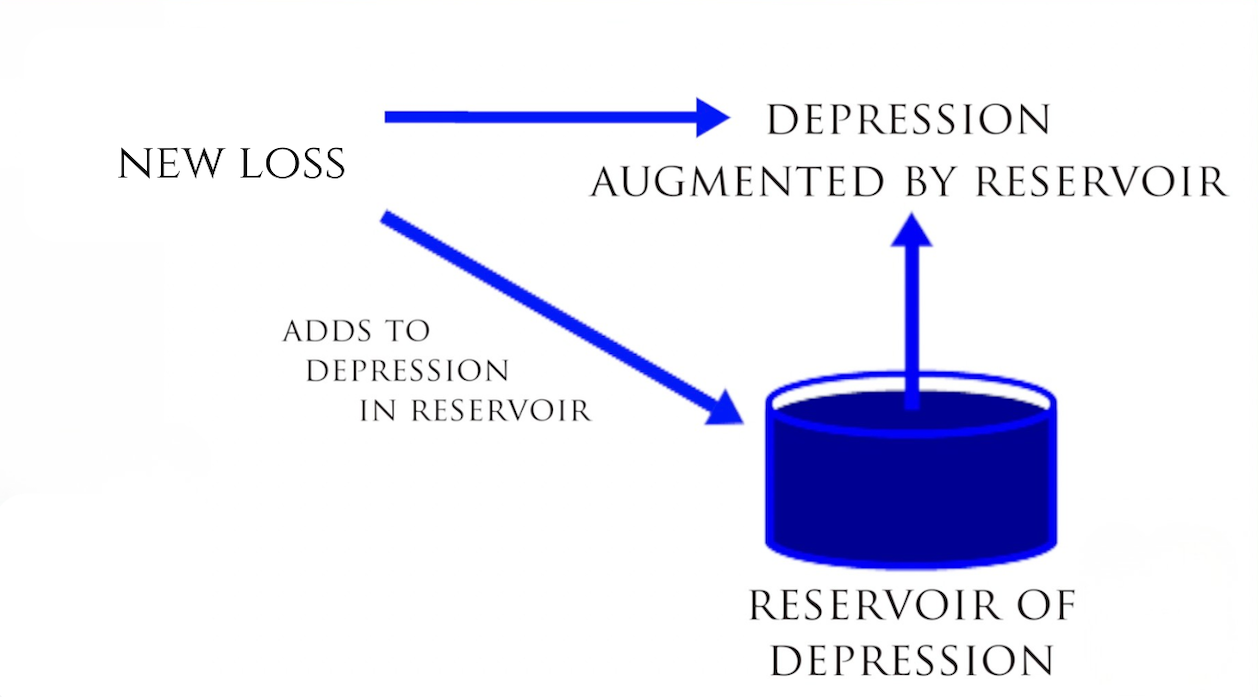
This is why loneliness can feel so devastating, so out of proportion to the immediate situation. A friend who doesn't text back, a conversation that feels superficial, an evening spent alone — can trigger a grief that feels ancient, because in a sense, it is.
How to Deal with Loneliness
Many people try to solve loneliness by engaging with social apps (including dating apps), joining clubs, or attending various events. Sometimes they make new connections that feel satisfying and they no longer feel lonely. (Recently, a relative of mine found a wonderful woman on a dating app and they are now happily married.) But not everyone is so lucky.
A definitive solution for loneliness is to create a new mental pathway in your mind (I can show you how) that has the ability
- to eliminate any internal obstacles to finding connection with others (e.g. inhibition, procrastination, intimidation, or lack of self-confidence, to name a few)
- to enhance your creativity so that you can find new ways to make connections
- and to reduce and gradually eliminate the reservoir of depression that augments feelings of loneliness
It's easy to create your own new mental pathway. If loneliness — or the particular heaviness it brings — is something you recognize in your own life, I can help. Go to:
https://www.communityforwellbeing.com/the-stress-free-formula